

Tinnitus is one of the most commonly claimed VA disability conditions, yet it is also one of the most frequently denied. Many veterans are surprised when their tinnitus claim is rejected, especially when ringing or buzzing in the ears has been present for years.
Understanding how and why a VA claim for tinnitus is denied can help veterans better prepare, avoid common mistakes, and understand what the VA looks for when reviewing a claim.
What Is Tinnitus According to the VA?
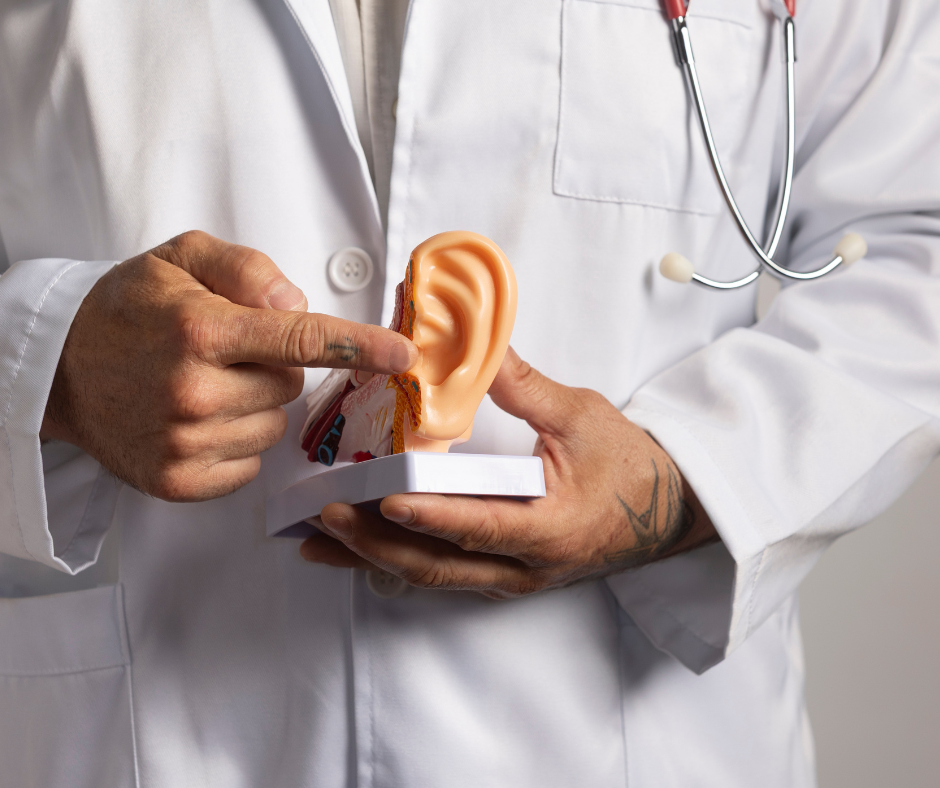
Tinnitus is generally described as ringing, buzzing, humming, or other noises in the ears that are not caused by an external source. The VA recognizes tinnitus as a compensable condition when it can be connected to military service.
Tinnitus is considered a subjective condition, meaning it is based largely on what the veteran experiences rather than what can always be objectively measured.
Common Reasons a VA Claim for Tinnitus Is Denied
VA tinnitus claims are usually denied due to issues related to evidence, service connection, or medical opinions.
Lack of a Current Diagnosis
If the VA determines there is no current tinnitus diagnosis or credible report of symptoms, the claim may be denied.
No Clear Service Connection
The VA must see a link between tinnitus and military service. Claims may be denied if:
- Service records do not show noise exposure
- The VA believes tinnitus began after service
- There is no documented in-service event related to hearing
Insufficient Medical Nexus
A nexus is a medical opinion linking tinnitus to service. If a VA examiner concludes that tinnitus is less likely than not related to service, the claim may be denied.
Normal Hearing Test Results
Some claims are denied because hearing tests appear normal, even though tinnitus can exist without measurable hearing loss.
Inconsistent Statements
Differences between what a veteran reports during exams, medical records, or claim forms can weaken credibility in the VA’s view.
How VA Examinations Affect Tinnitus Claims
VA Compensation and Pension (C&P) exams play a major role in tinnitus decisions.
Negative C&P Exam Opinion
If the examiner concludes tinnitus is not related to service, the VA often relies heavily on that opinion.
Delayed Onset of Symptoms
Claims may be denied if the examiner believes tinnitus began years after discharge and cannot be linked to service noise exposure.
Inadequate Symptom Explanation
If tinnitus symptoms are not clearly described during the exam, the VA may question the severity or existence of the condition.
Service Records and Noise Exposure Issues
Service records are often closely reviewed in tinnitus claims.
No Documented Noise Exposure
If a veteran’s military occupational specialty (MOS) is not typically associated with loud noise, the VA may deny the claim.
Missing or Incomplete Records
Lack of service treatment records mentioning ear issues or noise exposure can make approval more difficult, even though tinnitus is subjective.
How Timing Can Impact a Tinnitus Claim
When symptoms appear can influence how the VA evaluates a claim.
Tinnitus Reported Long After Service
Claims may be denied if tinnitus is first reported many years after separation, especially without supporting evidence.
No Continuity of Symptoms
If there is no documentation showing symptoms continued after service, the VA may deny the claim.
Common Mistakes Veterans Make When Filing Tinnitus Claims
Some denials happen due to avoidable errors.
Not Explaining Noise Exposure Clearly
Failing to describe specific in-service noise exposure can weaken the claim.
Relying Only on Hearing Loss Evidence
Tinnitus does not require hearing loss, but some claims rely too heavily on hearing test results.
Skipping Supporting Statements
Lack of personal statements or supporting evidence can reduce the strength of the claim.
What Happens After a VA Tinnitus Claim Is Denied?
A denial does not necessarily mean the end of the process.
Reviewing the VA Decision Letter
The denial letter explains why the claim was denied and which evidence the VA found insufficient.
Understanding Appeal Options
Veterans may have options such as:
- Filing a supplemental claim with new evidence
- Requesting a higher-level review
- Appealing to the Board of Veterans’ Appeals
Each option has different rules and timelines.
Frequently Asked Questions About VA Tinnitus Claim Denials
Can tinnitus be denied even if it’s a common VA claim?
Yes. Despite being common, tinnitus claims are denied when evidence requirements are not met.
Can tinnitus be denied if hearing tests are normal?
Yes. Normal hearing tests alone do not rule out tinnitus, but the VA may still deny the claim based on other factors.
Is tinnitus considered a presumptive condition?
Tinnitus is not automatically presumptive, but it may be service-connected based on evidence of noise exposure.
Can a denied tinnitus claim be reopened?
Yes. Many veterans reopen claims by submitting new and relevant evidence.
Final Thoughts
A VA claim for tinnitus is often denied due to missing evidence, unfavorable medical opinions, or unclear service connection—not because tinnitus is uncommon or unrecognized. Understanding how the VA evaluates tinnitus claims can help veterans better navigate the process and avoid common pitfalls.
If you have questions about a denied tinnitus claim or want help understanding your VA decision, Honorable Veteran Associates can help explain your options and next steps.



Leave a Reply